

Why Choose Us
Our Ecovillage
Build
We welcome new members to our community. If you are interested in moving to the ecovillage, come check out our remaining sites on offer.
20+
Years of experience
Our ecovillage
Innovative Living
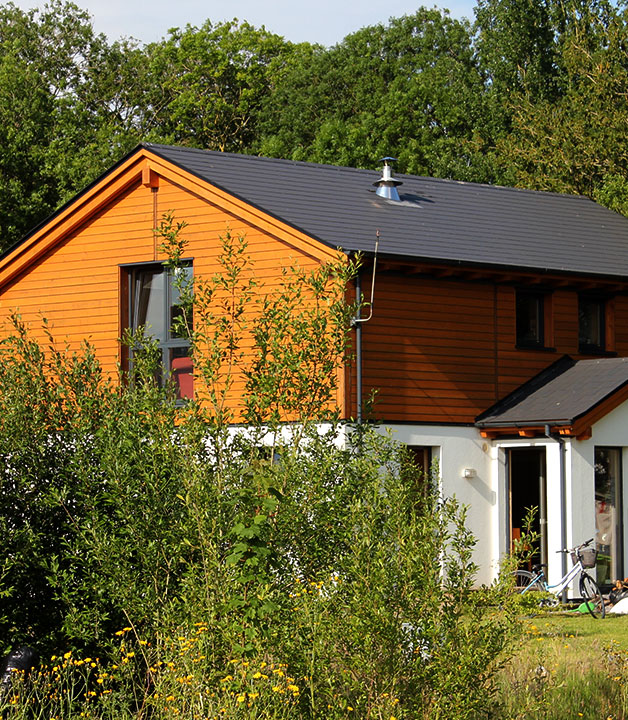
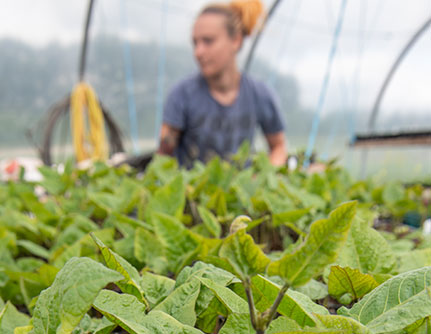
Cloughjordan Ecovillage is our testament that through innovative and sustainable living, a diverse community can live alongside nature. Situated in Tipperary, we thrive through democratic organising, healthy organic food, and enriched social lives while minimising ecological impacts. Our 67-acre site includes beautiful fertile land where we grow our own food, plants, and trees to promote biodiversity. Our ecovillage features:
- More than 50 low energy homes and work units so far
- A biomass-fuelled district heating system
- 50 acres of land for allotments, farming, and woodland
- A green enterprise centre and hi-spec broadband
- Our member-owned community farm
- An eco-hostel for visitors and nearby train station
Our Mission
Education and Sustainability
“To serve as an education, enterprise and research service resource for all”
– Mission statement of Cloughjordan Ecovillage residents
At Cloughjordan Ecovillage, we are committed to demonstrating that humans and nature can live side by side, in harmony. All our practices and procedures are targeted towards creating a model for sustainable living, not just with relation to the local environment but also as a resilient community.
We are a registered educational charity (Revenue Charity No: 13328, CRA RCN: 20041182). By supporting the ecovillage you help us develop, and educate on, sustainable living. Donate today and become a supporter of Cloughjordan Ecovillage.
We are a member of the Irish Environmental Network and would like to acknowledge the financial support received from the Department of the Environment, Climate and Communications through the IEN.
Make a Donation
Your donation will be targeted towards projects that support our charitable aims.
DONATE NOWLatest From Blog
News and Events
Apr 12, 2024
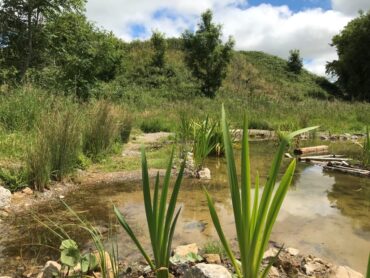
National Biodiversity Week 2024 Events
THE IMPORTANCE OF COMMUNITY SEED BANKS TO BIODIVERSITY – with Kevin Dudley […]
READ MORE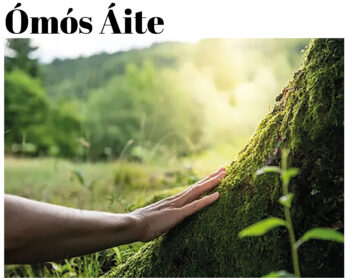
Jan 25, 2024
Ómós Áite: Growing our Approach to Place Based Learning
Growing our Approach to Place Based Learning We would love for you […]
READ MORE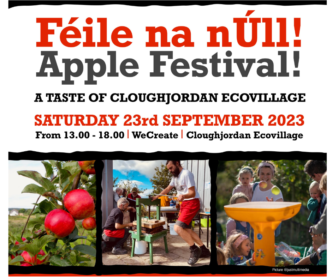
Sep 04, 2023
Féile na nÚLL 2023 |The Community Apple Festival
A Taste of Cloughjordan Ecovillage MARKET AND FOOD STALLS I APPLE PRESSING […]
READ MORE